
CEYLON TEA TYPES & GRADES
FROM LEAF TO SIP
PEKOE
Pekoe refers to tea made from the just-unfurling buds of the tea bush. Pure pekoes are tightly rolled into a near-spherical shape and need extreme care when manufacturing.
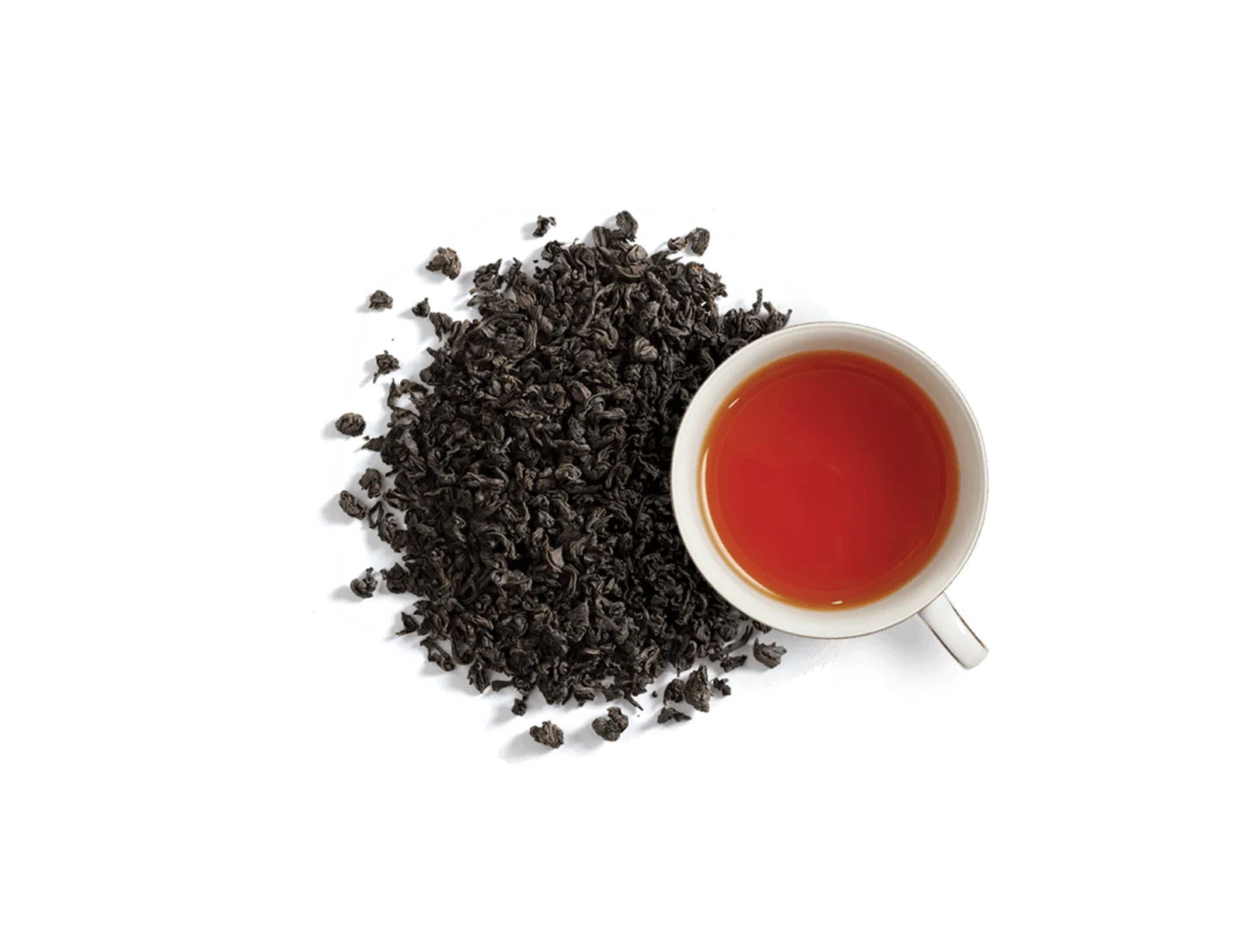
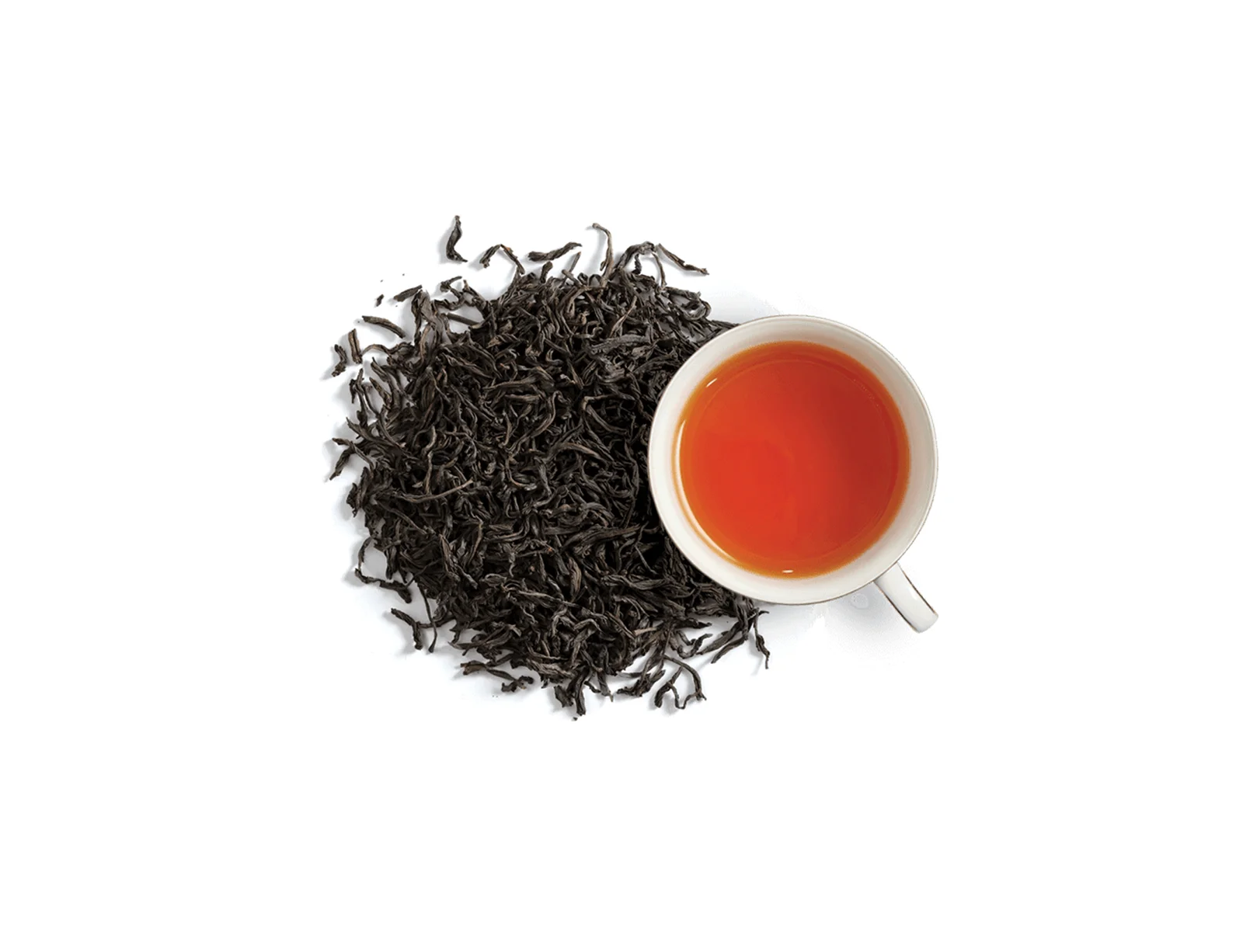
OP – Orange Pekoe.
Contrary to popular belief, Orange Pekoe refers to leaf size and not a flavor. Orange Pekoe tea has a strong scent and a smooth flavor with a sweet finish.
BOP – Broken Orange Pekoe
Popular leaf size and the main broken grade. This tea infuses faster than whole-leaf varieties, giving way to a liquor that strikes the right balance between taste and strength.
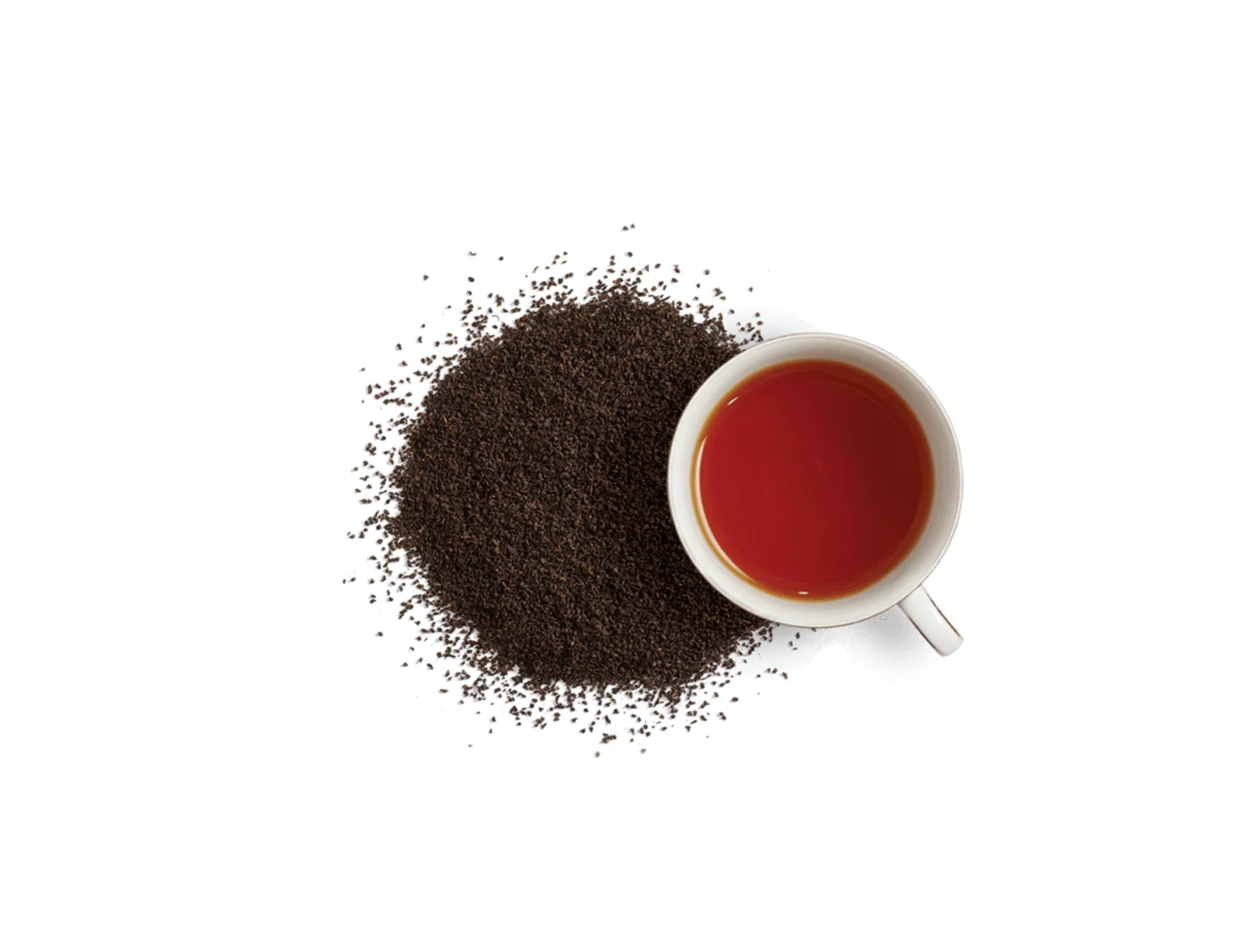
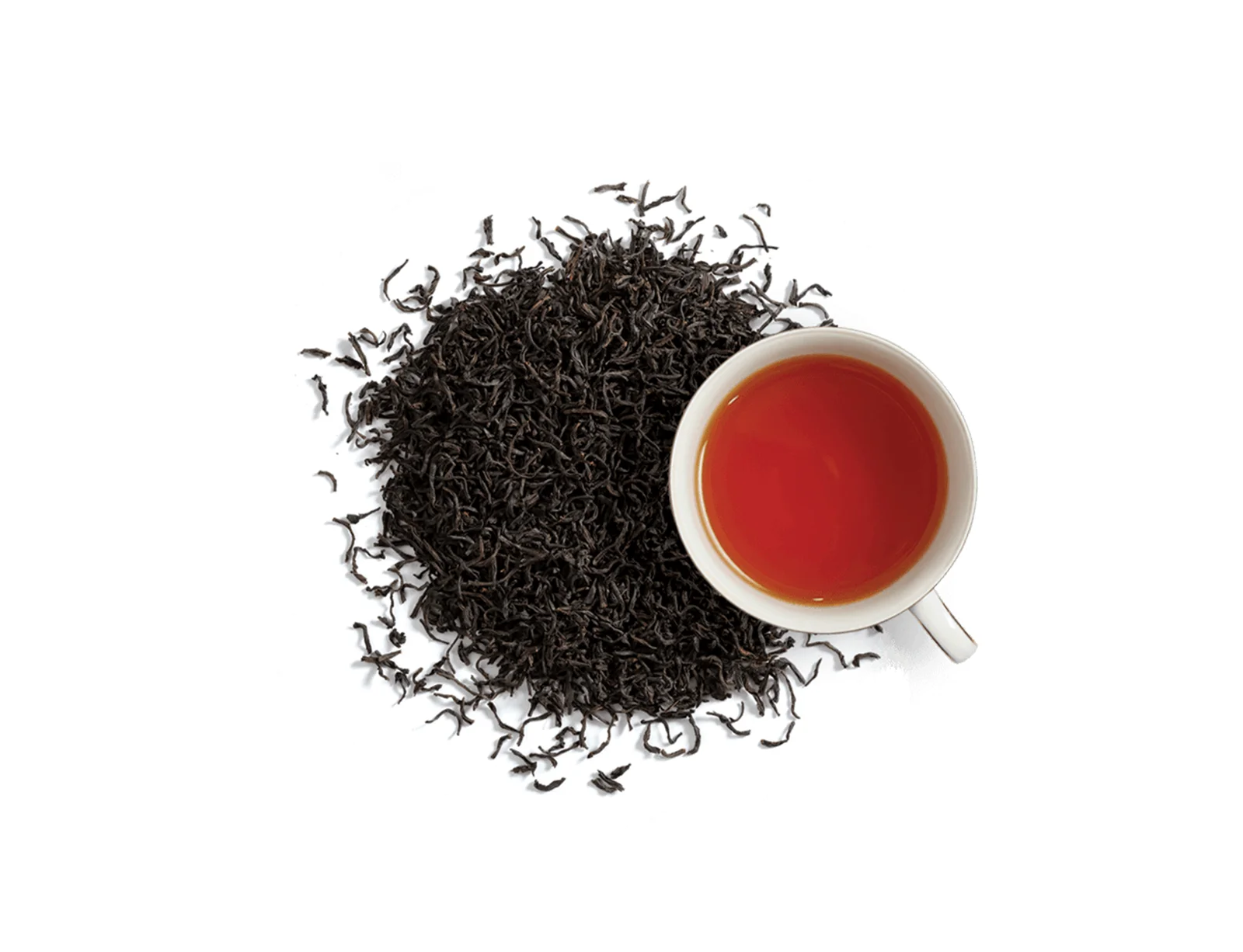
BOP1 – Broken Orange Pekoe 1
A well-twisted semi-leaf tea, generally from the low country. It has a uniquely delicate and malt-like taste with an aftertaste that resembles caramel.
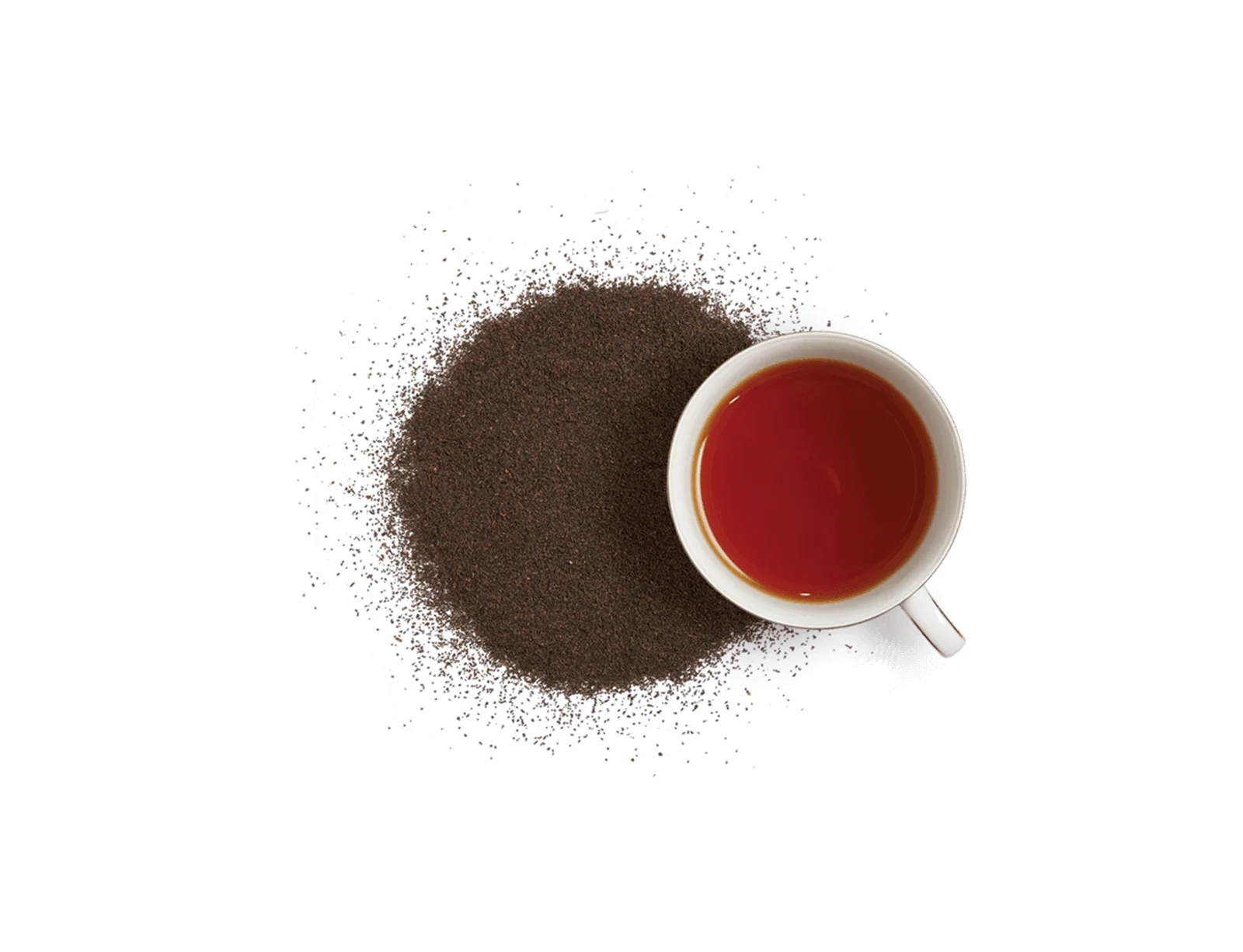
BOPF – Broken Orange Pekoe Fanning
Uniform, black-leaf tea particles which are smaller than BOP but without tips, hailing from higher elevated regions. Bright in color with a strong taste that retains most characteristics of the BOP. Ideal for tea bags.
.webp)
FBOP – Flowery Broken Orange Pekoe
Similar to Broken Orange Pekoe but bigger in size. It is a coarser, semi-leaf tea with a small portion of tips that produce a mild yet flavourful brew.
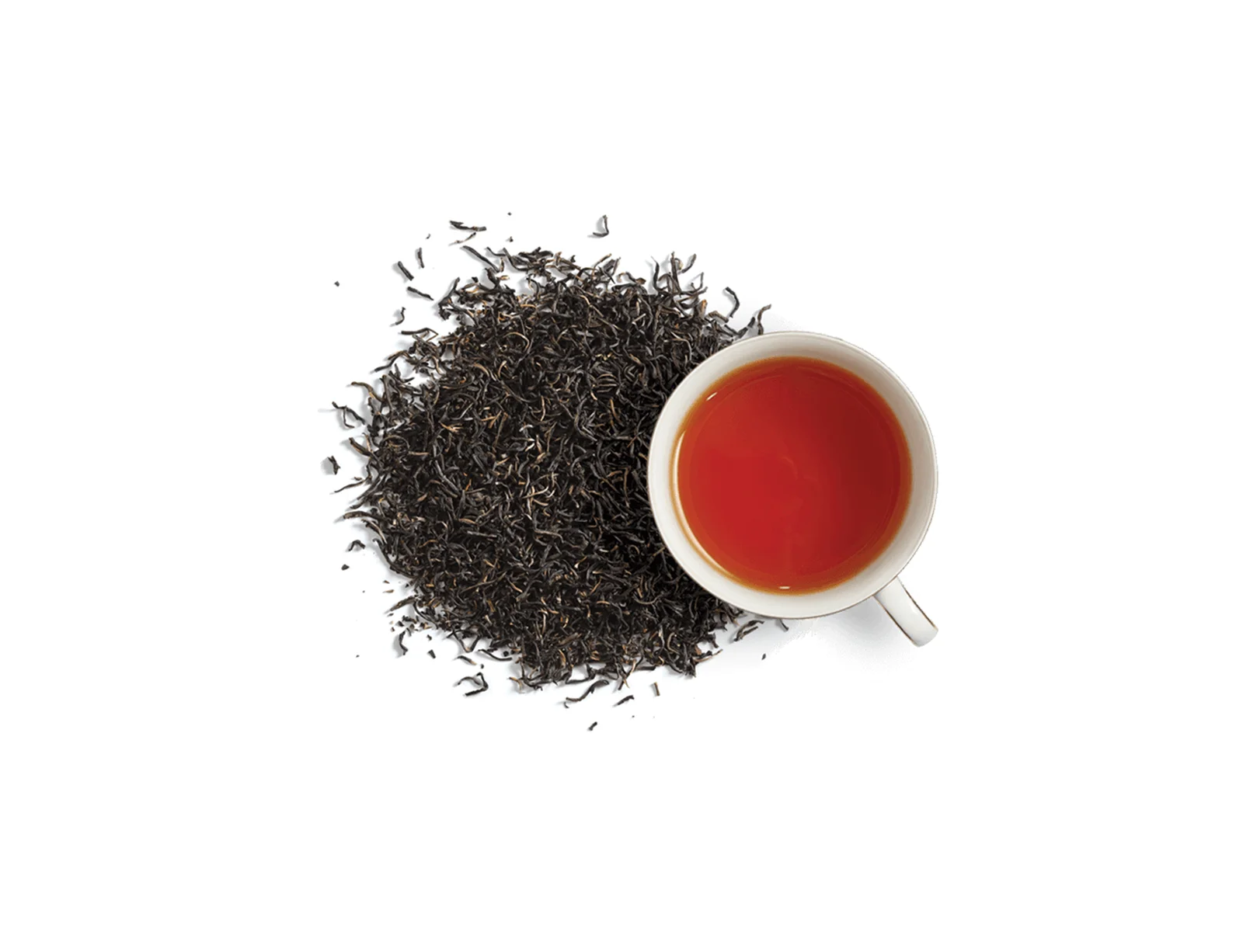
FBOPF EX.SP. – Flowery Broken Orange Pekoe
A whole-leaf black tea that tends to be expensive due to the abundance of leafy, long tips. Yields an exquisite cup with a mild caramel flavor.
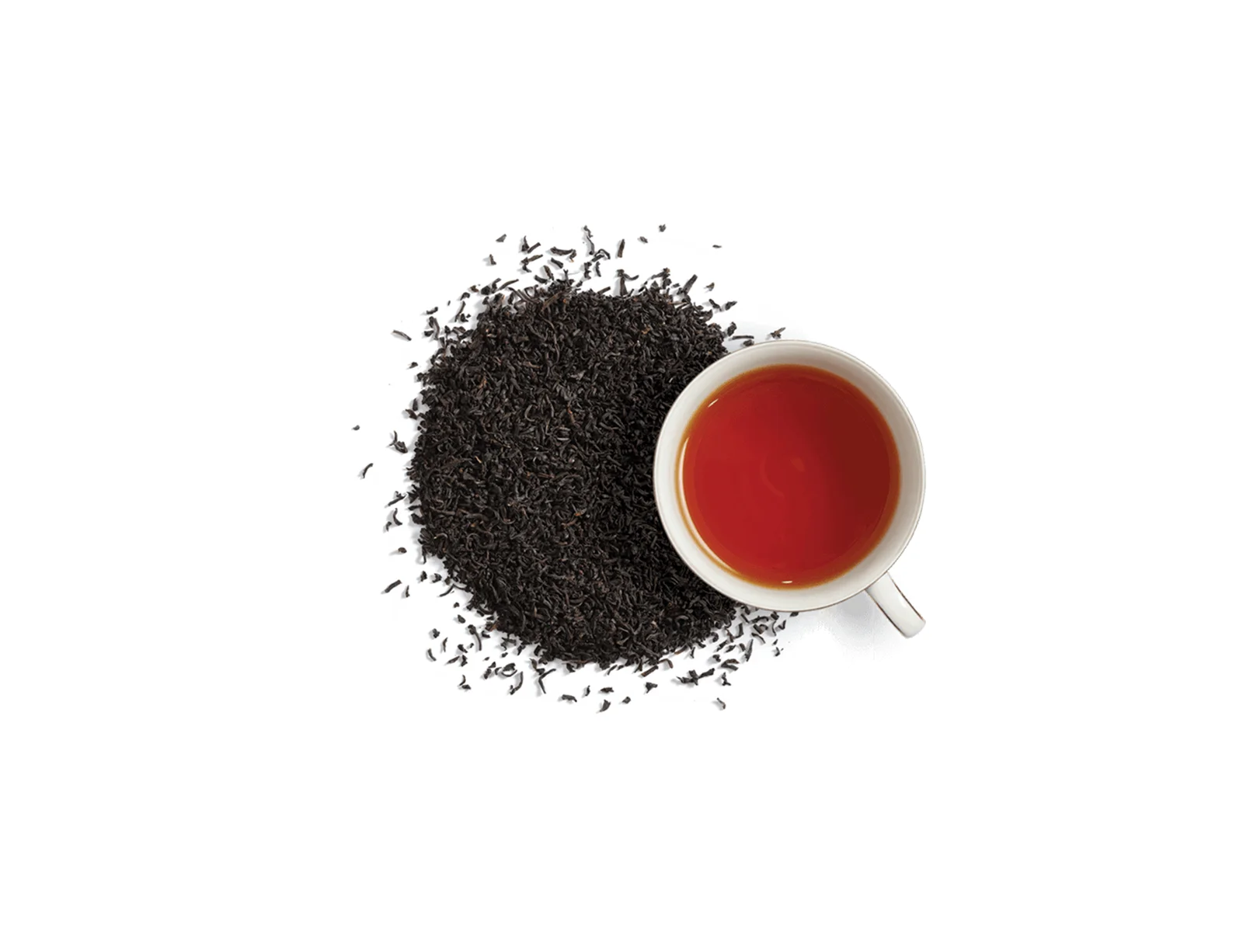
FF1 – Flowery Fanning 1
Short wiry particles mixed with medium-sized curly leaves and comprising of some tips.
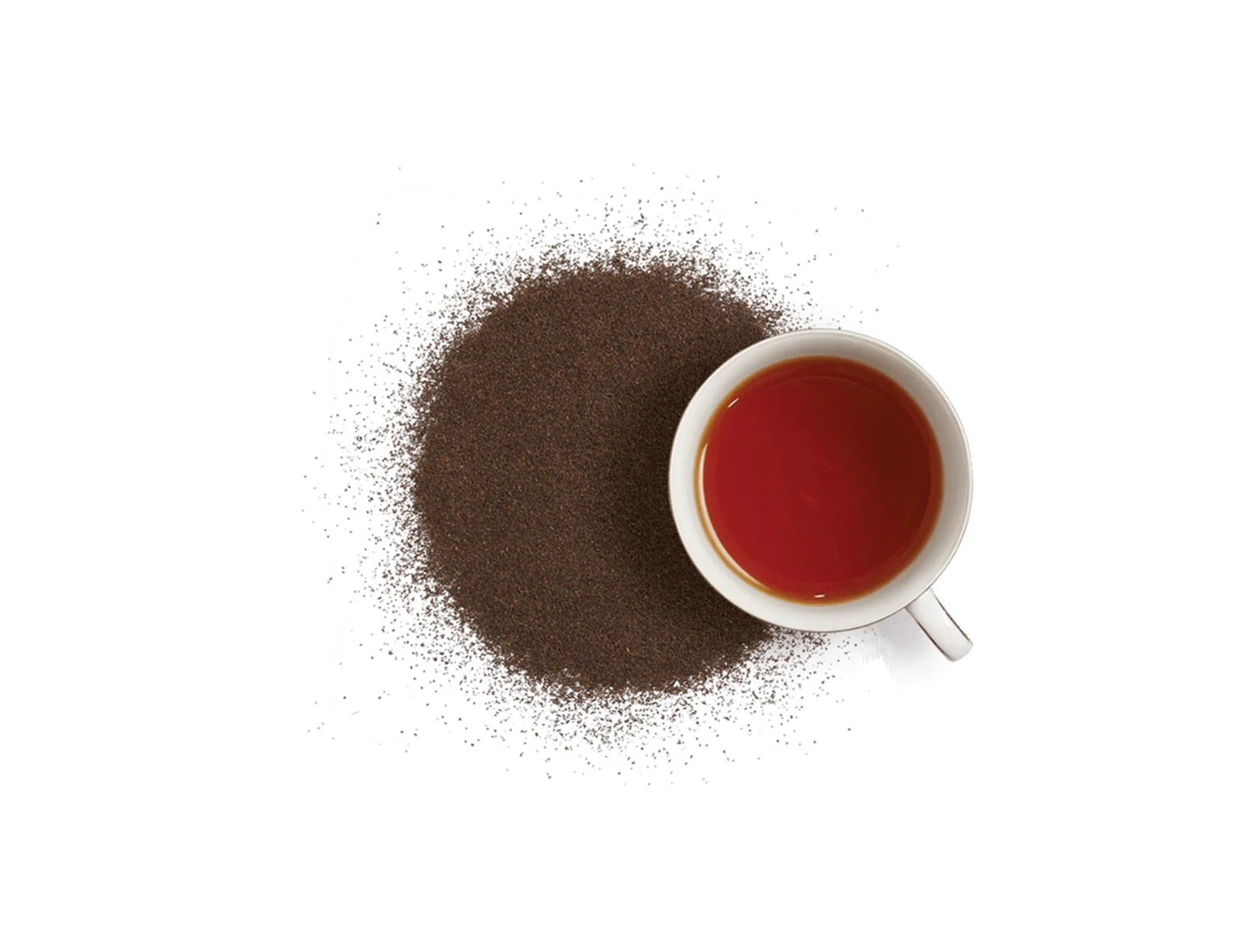
DUST 1
The smallest of particles that infuse swiftly, resulting in optimum strength, colour and body. It is most suited for commercial brewing.
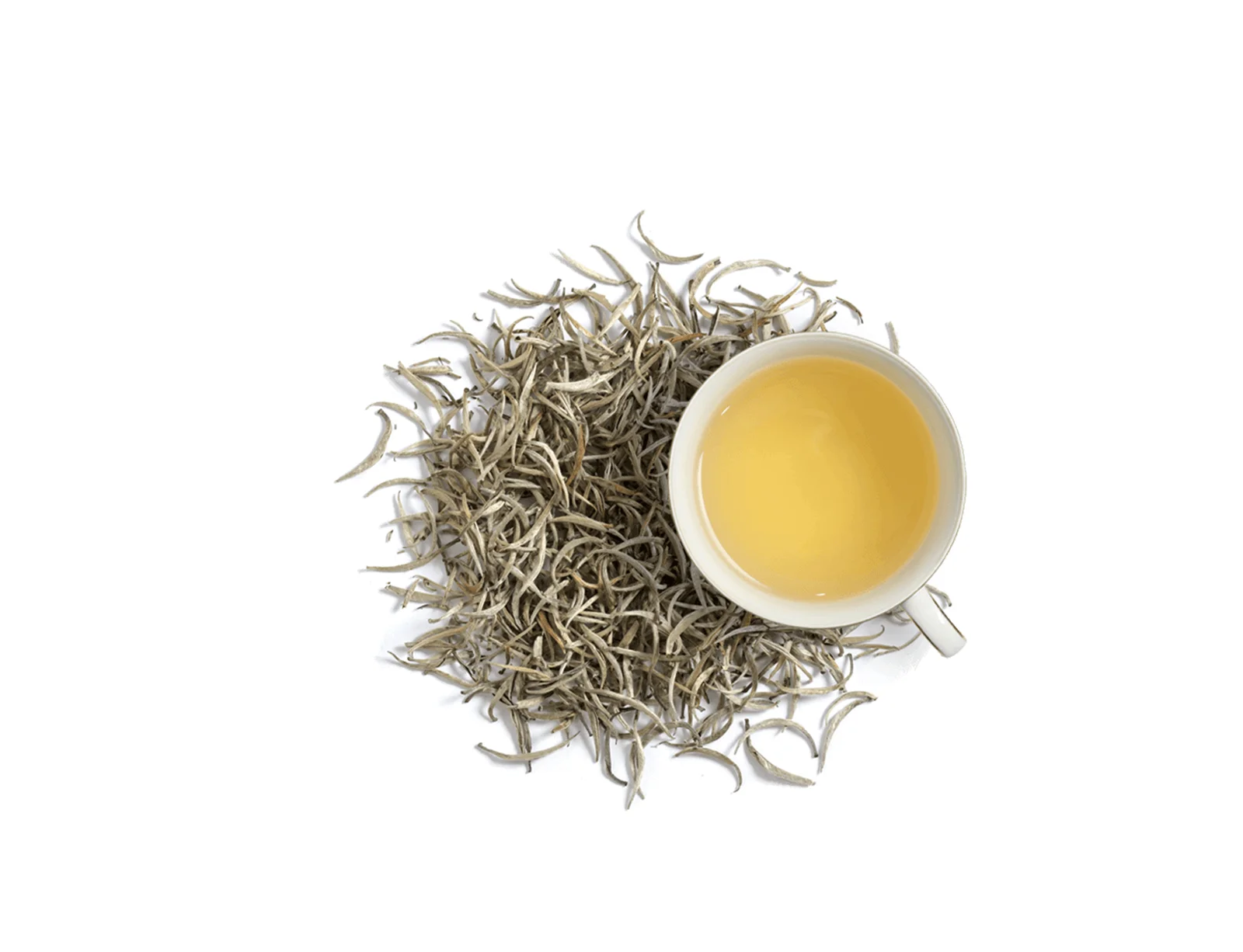
SILVER TIPS
The finest buds of a special cultivar turn velvety silver when dried. Extremely rare, and usually handpicked before sunrise, they offer the gentlest fragrant brew.
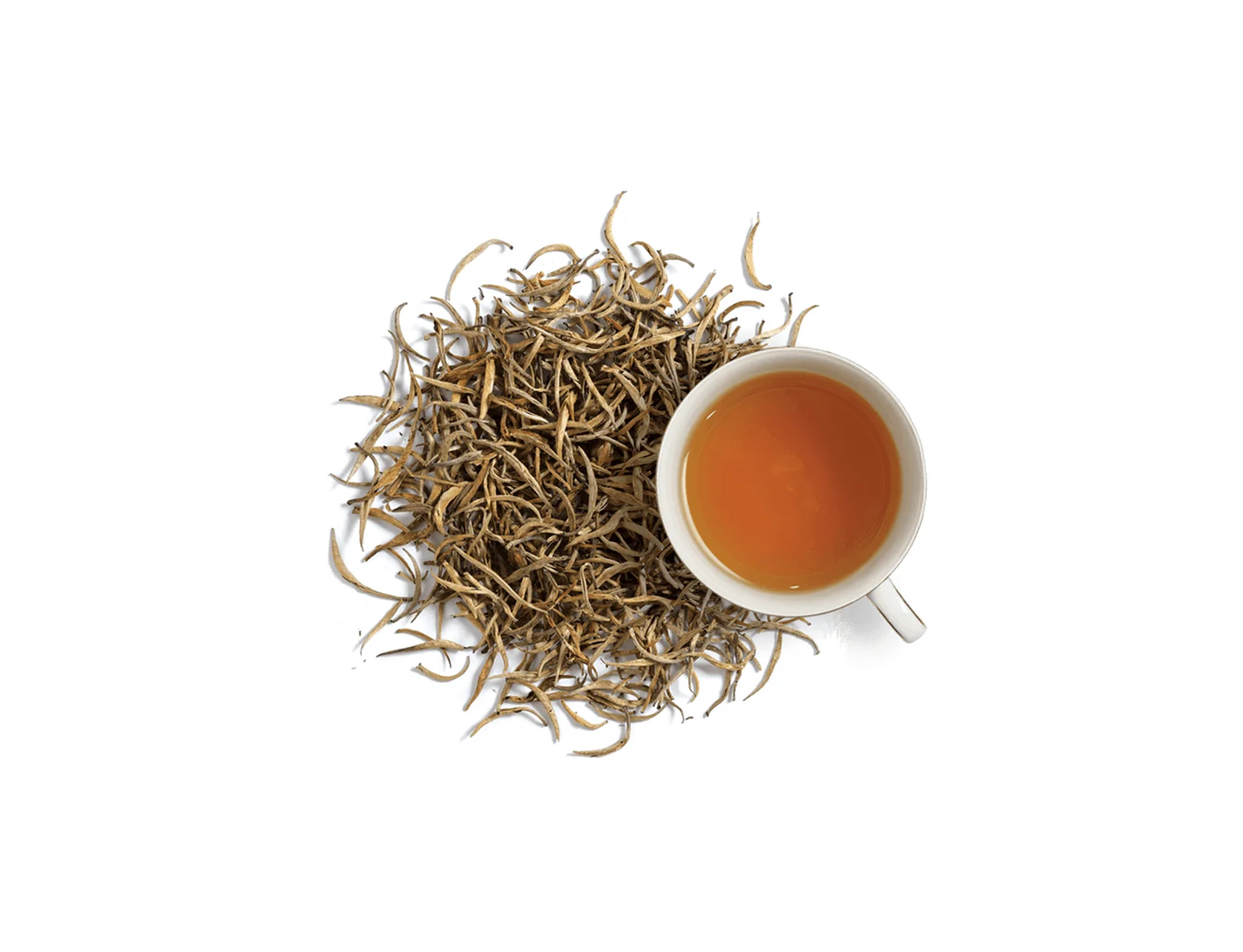
GOLDEN TIPS
Very rare pale golden velvety whole buds taken from select plants, has a very delicate brew with a mild floral bouquet.
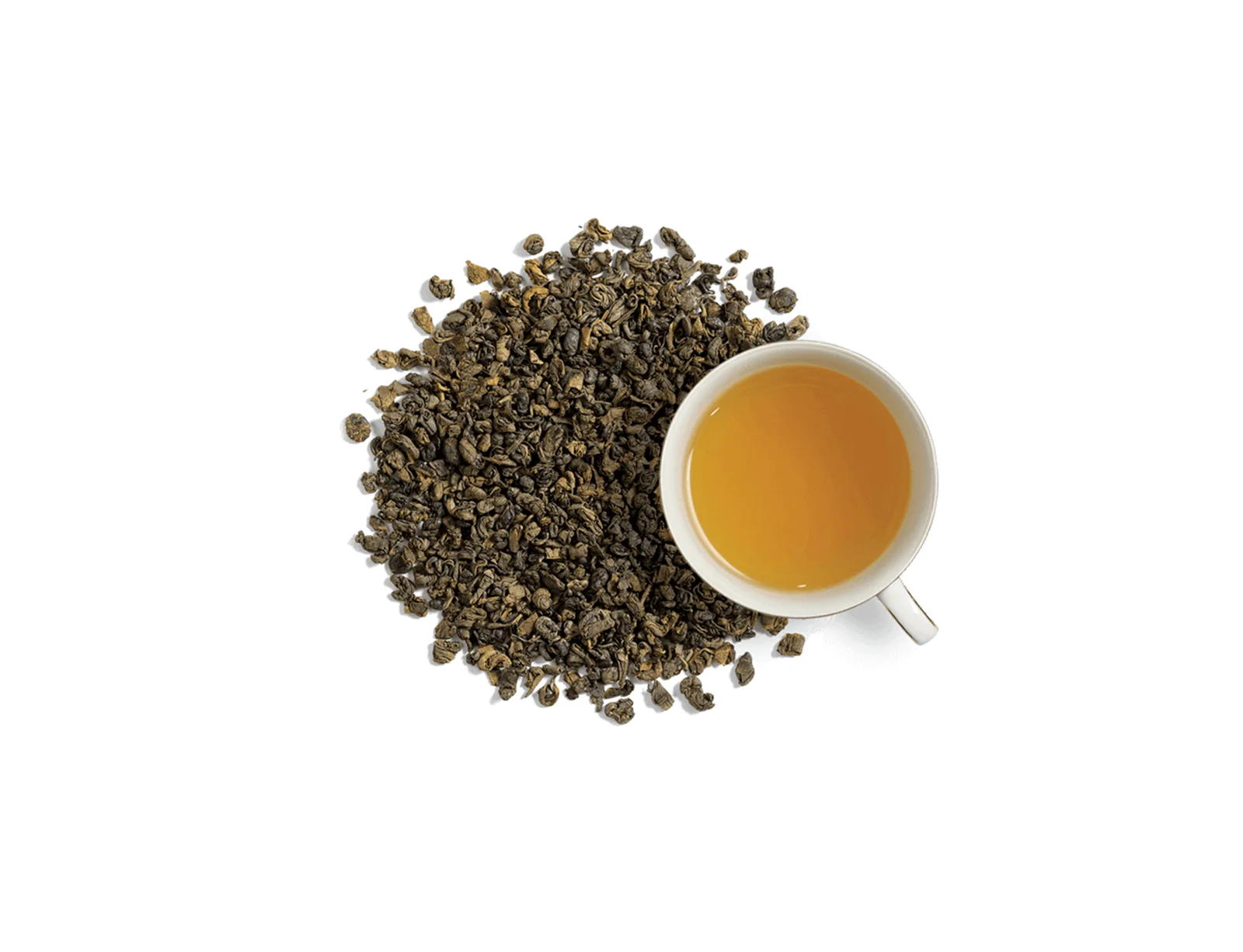
GUNPOWDER
This green tea dates back to the 1800s and the name originates from the fact that the tea is rolled very tightly into small pellets befitting ammunition used in old muskets.